

Now Reading: From Exclusion to Innovation, Closing Africa’s STEM Gap by Empowering the Next Generation of Girls
-
01
From Exclusion to Innovation, Closing Africa’s STEM Gap by Empowering the Next Generation of Girls
From Exclusion to Innovation, Closing Africa’s STEM Gap by Empowering the Next Generation of Girls

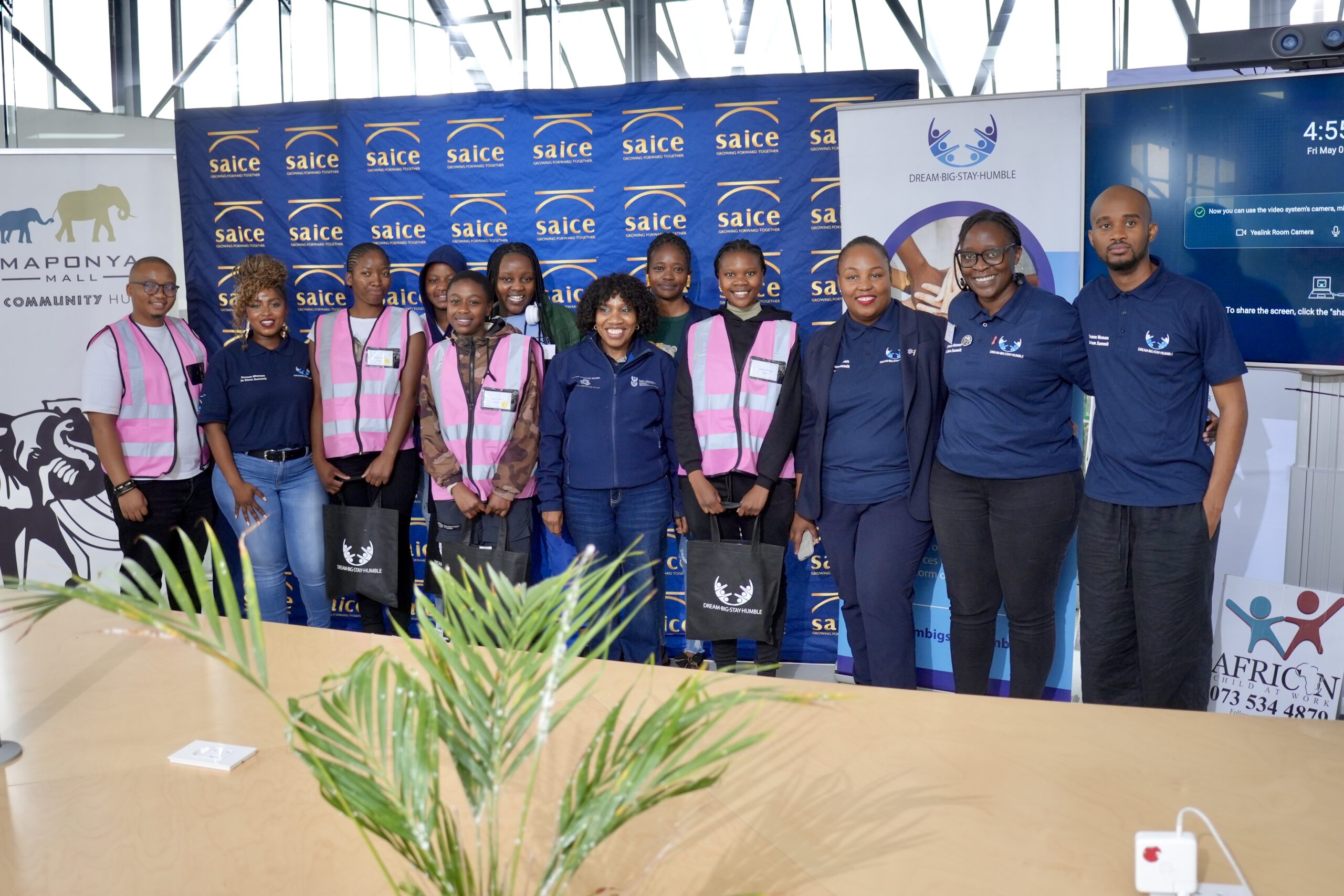
Images and video courtesy Dream Big Stay Humble
Across Africa, women remain significantly under-represented in Science, Technology, Engineering and Mathematics (STEM), not because of a lack of talent, but because the system has historically not been designed to recognise, retain or advance them. UNESCO estimates that women make up only 30% of the world’s researchers and in sub-Saharan Africa that figure drops even further, particularly in engineering and technology. In South Africa, fewer than one in five professional engineers are women, while girls are far less likely than boys to take mathematics and physical science at senior secondary level, despite performing as well or better when they do.
This creates a two-pronged challenge. First, the STEM landscape has not been sufficiently inclusive, limiting women’s progression, visibility and leadership. Second, this exclusion has created a pipeline gap: too few girls can “see themselves” in STEM careers, resulting in a shrinking future workforce at precisely the moment Africa needs engineers, technologists and scientists to drive infrastructure development, climate resilience, digital transformation and industrial growth.
Initiatives such as Dream Big Stay Humble are stepping into this gap with purpose. By intentionally creating access, exposure and role models, they are tackling one of the most critical barriers in STEM: early-stage career awareness and belief. Research consistently shows that girls’ career aspirations are shaped long before university and that mentorship, representation and practical exposure are among the strongest predictors of whether young women persist in STEM pathways.
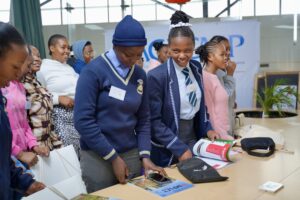 The Dream Big Stay Humble Girls in STEM Summit, curated in partnership with SAICE, SACPCMP, Engage Empower, TechNovation and other industry leaders, directly responds to this structural shortage. Bringing together girls from Grades 9–12, the summit moved beyond inspiration to practical ecosystem building, connecting learners to professional bodies, real engineers, construction managers and technologists and showing them where they can carve out a niche in a sector facing a growing skills crisis.
At a time when Africa faces a severe STEM skills shortage, particularly in engineering, construction, digital and green technologies, empowering girls is not only a gender issue, but also an economic and development imperative. Investing in girls’ participation in STEM is one of the most powerful ways to expand the talent pool, close critical skills gaps and ensure that the future of African innovation is both inclusive and globally competitive.










Related Posts



Stay Informed With the Latest & Most Important News
Previous Post
Next Post












Advertisement